

An ACL tear is one of the most challenging injuries for athletes and active individuals. The anterior cruciate ligament (ACL) plays a critical role in stabilizing the knee, and an injury can significantly impact mobility and function. Recovery requires a structured, step-by-step program focused on restoring movement, rebuilding strength, and preparing for a safe return to activity. At Columbus Physical Therapy, our physical therapy team provides comprehensive care, guiding patients through each phase of ACL tear recovery.
Phase 1: Immediate Post-Injury Care
The initial phase of recovery focuses on managing pain and swelling while protecting the knee. This critical stage sets the foundation for rehabilitation and ensures the joint is ready for more advanced interventions.
Goals:
- Reduce pain and swelling.
- Protect the healing ligament.
- Restore basic mobility.
What to Expect:
Rest and Joint Protection:
- Physical therapists will recommend using braces or crutches to avoid putting stress on the knee during early recovery. These tools protect the ligament as it begins to heal.
Ice Therapy:
- Applying ice regularly helps manage pain, making movement and therapy sessions more comfortable.
Gentle Mobility Exercises:
- To prevent stiffness, therapists guide patients through passive range-of-motion exercises. These help the knee maintain flexibility while avoiding stress on the healing tissue.
Compression and Elevation:
- Wrapping the knee and keeping it elevated helps reduce swelling and improve circulation.
This phase typically lasts 1-2 weeks, depending on the individual’s progress.
Phase 2: Restoring Mobility and Strength
As pain and swelling subside, the focus shifts to regaining full range of motion and starting strength-building exercises. This phase ensures the knee is prepared to handle increasing demands while laying the groundwork for stability.
Goals:
- Restore full range of motion in the knee.
- Activate muscles around the joint to rebuild strength.
- Improve weight-bearing capabilities.
What to Expect:
Manual Therapy:
- Hands-on techniques are used to improve joint mobility and reduce residual stiffness.
Strengthening Exercises:
- Therapists begin with isometric exercises that target the quadriceps and hamstrings without joint movement. These exercises gradually progress to include light resistance work.
Weight-Bearing Activities:
- Patients start standing and walking with partial weight-bearing, progressing to full weight-bearing as tolerated.
The second phase may last 4-6 weeks, depending on the patient’s individual recovery.
Phase 3: Advanced Strengthening and Neuromuscular Training
This phase focuses on rebuilding strength, balance, and coordination. These elements are critical for preparing the knee for functional movements and everyday activities.
Goals:
- Enhance overall strength and stability.
- Improve joint awareness and balance.
- Begin functional training for daily movements.
What to Expect:
Resistance Training:
- Exercises now include progressive resistance targeting the quadriceps, hamstrings, calves, and glutes. These strengthen the muscles supporting the knee.
Proprioceptive Training:
- Balance exercises on unstable surfaces, such as a wobble board, are introduced to improve the joint’s stability and control.
Functional Movements:
- Patients practice walking, squatting, and climbing stairs to regain confidence in everyday activities.
This phase may last up to 12 weeks, depending on the individual’s progress and therapy goals.
Phase 4: Preparing for a Return to Activity
The final phase of ACL tear recovery focuses on preparing patients for high-demand activities, including sports and exercise. This phase is essential for ensuring the knee can handle the stresses of athletic movements safely.
Goals:
- Develop advanced strength and power.
- Improve agility and dynamic stability.
- Ensure psychological readiness for returning to sports.
What to Expect:
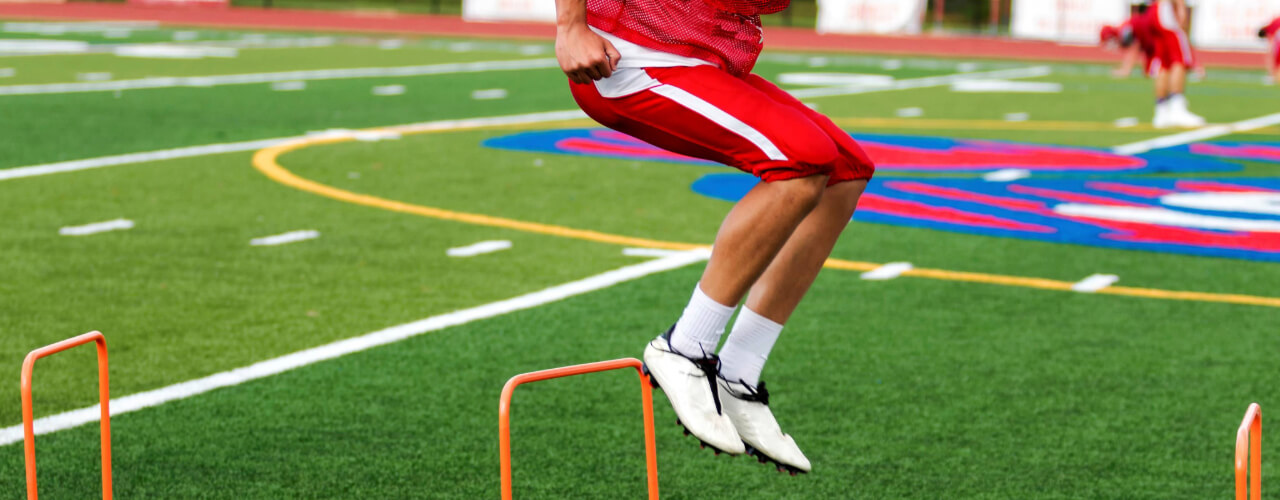
Plyometric Drills:
- Exercises like jumping and bounding rebuild explosive power, which is vital for athletes.
Agility Training:
- Patients practice quick direction changes and sport-specific movements to mimic game-time scenarios.
Confidence Building:
- Therapists assess psychological readiness, ensuring patients feel prepared and confident before returning to full activity.
Returning to sports or high-impact activities typically occurs around 9-12 months post-injury, though timelines vary based on individual progress and graft healing.
Comprehensive ACL Tear Recovery at Columbus Physical Therapy
We understand the challenges that come with ACL tear recovery. Our physical therapists create personalized programs tailored to each patient’s unique needs, ensuring a safe and effective journey back to activity. From managing pain in the early stages to building strength and confidence for a return to sports, we guide you every step of the way. Contact us today to schedule an evaluation and start your recovery with expert care!


Leave a Reply