

Many people have a hard time talking about symptoms related to their pelvic floor–whether that’s pelvic pain, incontinence, or sexual difficulties. However, pelvic floor dysfunction is a common condition that can affect men and women of all ages. And while it’s often misunderstood, addressing it promptly can improve quality of life.
How do you address problems with the pelvic floor? Physical therapy is actually one of the best approaches, helping to address the underlying impairments causing your symptoms so you can find lasting relief.
At Columbus Physical Therapy, we regularly help patients address pelvic floor dysfunction. Today, we want to explore this condition in more detail: what it is, what to look for, and how our Columbus, NE, Humphrey, NE, and Norfolk, NE physical therapists can help.
An Overview of Pelvic Floor Dysfunction
First Things First: What is the Pelvic Floor?
Understanding the pelvic floor is key to understanding how it can become dysfunctional.
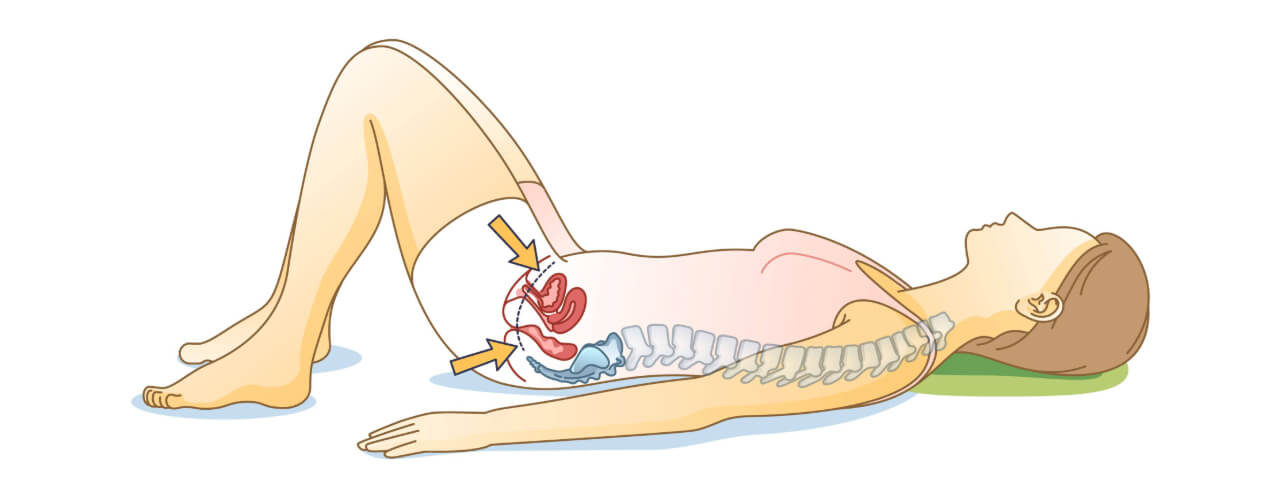
The pelvic floor is a group of muscles and connective tissues located at the base of your pelvis. These muscles support your bladder, rectum, and, in women, the uterus. They play a vital role in controlling bowel and bladder functions, supporting posture, and stabilizing the core.
When the pelvic floor muscles weaken, become overly restricted, or fail to coordinate properly, pelvic floor dysfunction can occur. But what causes those impairments in the first place? That’s where our physical therapists will begin.
Understanding the Reasons for Pelvic Floor Dysfunction
Several factors may contribute to pelvic floor dysfunction. Here are some of the most common:
Childbirth
- Vaginal delivery can weaken or damage pelvic floor muscles.
Aging
- Muscle elasticity decreases over time.
Surgery
- Pelvic surgeries, like hysterectomy or prostatectomy, can disrupt muscle function.
Chronic Straining
- Frequent constipation or heavy lifting places stress on pelvic floor muscles.
Trauma
- Physical injuries to the pelvis may impair muscle control.
Recognizing the Symptoms of Pelvic Floor Dysfunction
It’s important that you recognize the symptoms of dysfunction in the pelvic floor, as early intervention is key to improved outcomes. Symptoms can vary, but here are some of the most common ones:
- Pain or pressure in the pelvic region
- Lower back pain without an obvious cause
- Difficulty controlling bladder or bowel movements
- Pain during intercourse.
- A feeling of incomplete bowel movements
- Frequent or urgent need to urinate
Do any of these symptoms sound familiar? Schedule an appointment at Columbus Physical Therapy! Our team will perform a comprehensive assessment to determine the cause–and then create a customized treatment program to address it directly.
How Physical Therapy Helps Treat Pelvic Floor Dysfunction
Physical therapy provides a comprehensive, non-invasive solution to address issues with the pelvic floor. We blend several treatment approaches to create a customized plan that addresses your unique needs. Here are just some of the techniques we might suggest:
Pelvic Floor Manual Therapy
- These hands-on techniques help release tension and improve mobility in the pelvic region.
Pelvic Floor Muscle Training
- Targeted exercises help strengthen or relax the pelvic floor muscles, improving function and reducing symptoms.
Biofeedback Therapy
- Because the pelvic floor muscles are all internal, it can be challenging to know if you’re performing exercises correctly. This technique uses biofeedback technology to ensure you coordinate pelvic floor movements more effectively.
Education and Lifestyle Modifications
- We’ll provide guidance on posture, breathing, and other habits to alleviate strain on the pelvic floor.
Take the First Step Toward Relief
Pelvic floor dysfunction can be difficult to discuss, but you don’t have to face it alone. The team at Columbus Physical Therapy strives to create a discreet environment where you can share your symptoms without judgment, ensuring you get the care you need.
Schedule an appointment today to get started with our pelvic floor physical therapy services.




Leave a Reply