A Comprehensive Look at How
Posture Affects the Shoulder
Shoulder pain is an all-too-common complaint, making routine activities like lifting, typing, and even sleeping difficult. It seems like every week we get a patient who comes to us with shoulder pain related to poor postural habits.
A lot of people know the old song about how the foot bone is connected to the knee bone (and the knee bone is connected to the thigh bone, and so on). In the world of physical therapy, we call this regional interdependence. This means something in one area of the body is affecting another area. As the song says: it’s all connected.
Well, this is definitely true when it comes to the functioning of our shoulder joints. Poor postural habits and prolonged slumped postures put the shoulder in a vulnerable position, making it susceptible to pain or injury. The good news is our therapists at Columbus Physical Therapy have extensive training in identifying all the factors that are contributing to your shoulder pain and, most importantly, how to resolve them, one by one!
How Posture Impacts the Shoulder
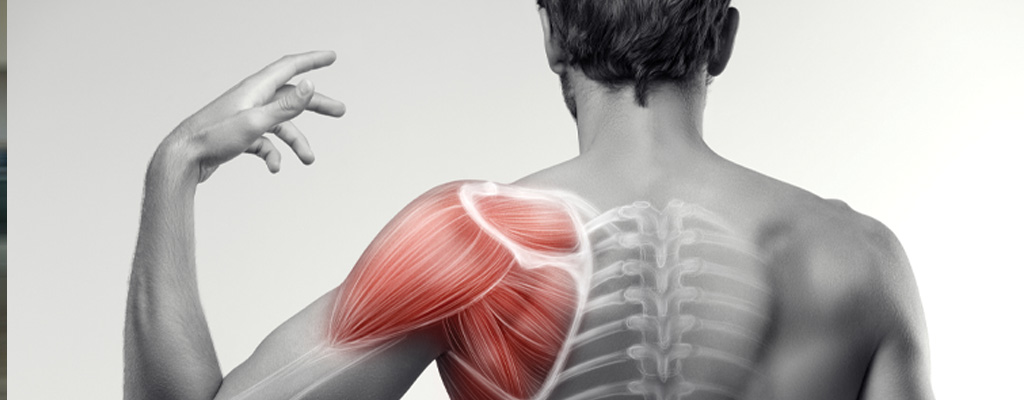
One significant factor contributing to shoulder pain is Upper Crossed Syndrome (UCS). This condition is characterized by postural changes that affect how the muscles of our upper back and shoulder girdle work, which in turn affects the normal movement patterns in the entire upper portion of the body.
The Classic Signs of Upper Crossed Syndrome Include:
Forward head posture:
Rounded shoulders:
Increased thoracic kyphosis:
Protracted shoulder blades:
Weak deep neck flexors:
Tight pectoral muscles:
Weak scapular stabilizers:
These issues often lead to shoulder pain, limited range of motion, and impaired muscle function. Although the signs are common in a lot of people, not everyone with these signs will have the same symptoms. This is why it is essential to consult one of our physical therapists to identify your specific needs and design a tailored treatment plan that addresses your situation.
The Role of Physical Therapy in Resolving Your Pain
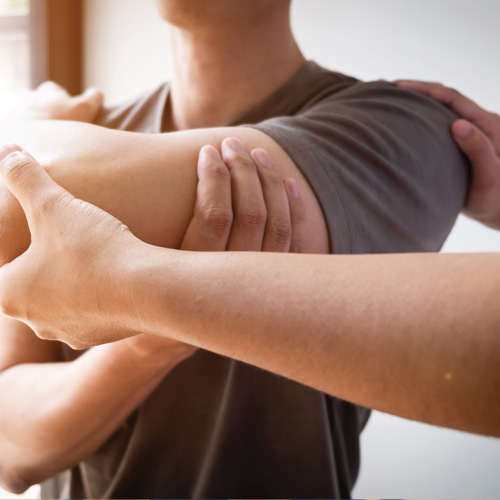
The first step to resolving your shoulder pain is a comprehensive evaluation. Our physical therapists will conduct a thorough history and physical exam that includes an assessment of your posture as well as the function of your shoulder blade musculature to identify any obvious changes to muscle activation and movement patterns.
Based on the assessment, our physical therapists will design tailored exercise regimens that address not only muscle length and strength but also neuromuscular factors. This could lead to more lasting relief and functional improvement.
Our team uses a functional approach that is rooted in neurology. We consider the interaction between your nervous system, biomechanics of your spine and shoulder joints, as well as muscle function. This allows us to not only identify and address any imbalances in muscle length and strength, but also from neuromuscular factors like muscle recruitment.
These exercises may include work on your spinal joint mobility and strengthening exercises to correct any postural dysfunctions contributing to your conditions. Our team spends a lot of time educating you about how you are holding and moving your body to ensure you have the tools to train your body in the proper movement patterns that help to correct imbalances and offer lasting relief.
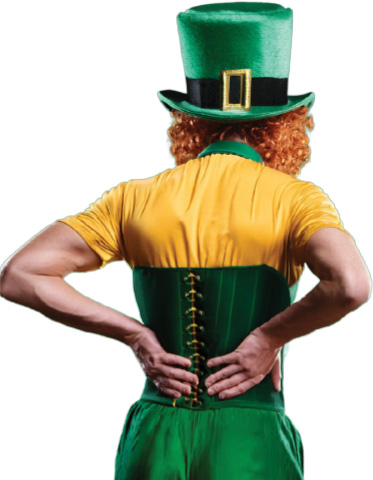
Take the First Step Towards Lasting Relief Today
If you’re experiencing persistent shoulder pain, limited range of motion, or discomfort in your upper body, the time to act is now. These signs are not just distressing; they can have a long-term impact on your quality of life and overall well-being.
Reach out to Columbus Physical Therapy today for a comprehensive assessment and personalized treatment plan designed to restore balance to your muscles, improve your posture, and, most importantly, alleviate your pain!


Exercise of the Month
DUMBBELL FRONT RAISE
Stand tall with a dumbbell in each hand, arms resting in front of your thighs and palms facing your body. Keeping your arms straight (but not locked), slowly raise both arms in front of you to shoulder height. Pause briefly, then lower back down with control.
3 Sets, 10 Reps. (Materials needed: dumbbells)
Staff Spotlight: Katie Rittscher, PTA
Clinic: Norfolk
Role at NPT: Physical Therapist Assistant
With NPT: 3 Years
What you love most about your job: Seeing patients progress toward their goals and building lasting relationships along the way.
Get to Know Me
Favorite hobby: Reading and going for walks
Fun fact: Very competitive… and just as stubborn as her red hair might suggest
Favorites: Comedy & romance movies, Nebraska Volleyball
Go-to snack/order: Peanut Butter M&M’s—or coffee with milk, sugar, caramel, and as little coffee as possible
We’re so grateful to have Katie at our Norfolk clinic. Her dedication, positivity, and care make a difference for our patients every single day!

Conquer Your Back Pain and Enjoy a Pain-Free Spring

As the world awakens this spring, don’t let back pain keep you from enjoying the season’s beauty. At Columbus Physical Therapy, we’ll help you find the spirit of spring by resolving your back pain once and for all!
Our expert guidance will help you:
- Alleviate your pain and prevent future discomfort.
- Regain your mobility and strength so you can enjoy the warmer weather.
- Spend time with your friends and family without back pain standing in your way!
Our treatments are tailored to your unique needs to help you enjoy spring with confidence and vitality—reach out today and let us help you bloom pain-free!
Follow Us on Facebook!

Your Success Is Our Priority!
Return to Columbus Physical Therapy and Let’s Continue Your Journey to Wellness Together. Schedule Your Appointment Now!

This Crock Pot Irish Stew is a hearty, comforting classic that’s perfect for celebrating St. Patrick’s Day. Slow-cooked and full of rich flavor, it’s an easy, cozy meal to enjoy with family and friends. 🍀
Seasonal Recipe
Best St. Patrick’s Day Crock Pot Irish Stew
- 2 lbs beef chuck roast, cubed
- 2 large potatoes, peeled and diced
- 2 cups diced carrots
- 1 envelope onion soup mix
- 2 (10¾ oz) cans tomato soup
- 1 soup can water
- 16 oz frozen peas
- salt and pepper, to taste
- parsley, for garnish
- Combine beef, potatoes, carrots, soup mix, tomato soup, can of water, salt and pepper in Crock Pot.
- Cook on LOW 8 hours.
- Add frozen peas and ¼ cup water.
- Cook on LOW 1 additional hour.
- Garnish with parsley.


Jocelyn Micek, DPT
Columbus PT
Balance Workshop (Columbus)
Tuesday, March 17th, 2026
12:15pm



Patient Testimonial

“Physical therapy has greatly helped me stay active and pain-free in my daily activities. Whenever I experience pain, the team at Northeast Nebraska Physical Therapy has always helped me find the relief and mobility I need. This team is so caring, always listens to my concerns, and makes a world of difference in my ability to live an active, pain-free life. God bless all of you! Thank you for always being amazing!”
-Laura S.
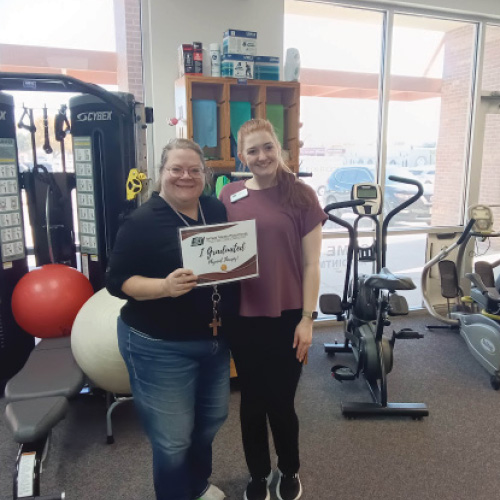

Patient Testimonial
“I remember walking in on the first day, barely able to keep up with my walker. I had two total knee replacements within about six months. I can honestly say it was a joy coming to PT. The staff are absolutely great—helpful and professional. Tracy was with me through my first one, and Terin pulled me through my second. Without them and the whole crew, I wouldn’t have made it this far or recovered this quickly. I totally recommend CPT to anyone who needs quality physical therapy. Thank you for putting up with me and for all the help you gave me.””
-Brant E.
Patient Testimonial
“When I started physical therapy, I had zero strength in my shoulders and significant pain. I couldn’t perform daily activities. Through strengthening, massage, exercises, and icing, I was able to slowly regain my strength.
I am now able to work and complete daily activities again. I’m deeply grateful for all the hard work and patience the therapists showed me—they truly tended to all my needs.”
-Lindsey K.